Updated
TL;DR
Preparing housing stock for the Decent Homes Standard means deciding what to fix first, not just finding defects. Social landlords must reach EPC C on one metric by 1 April 2030 and meet the full standard from 1 April 2035. Current duties, including Awaab's Law, apply now. Build a reliable baseline from records, inspections and resident feedback, and address root causes. Prioritise urgent safety work, rank the rest transparently, involve residents early and pilot first.
The challenge of preparing housing stock for the Decent Homes Standard is not just identifying defects. It is deciding what to address first, how separate investment priorities fit together and whether a programme can be delivered with residents in place.
For social landlords, two deadlines shape that planning. Homes must reach EPC C or equivalent on one reformed EPC metric by 1 April 2030, and meet the full new standard from 1 April 2035. In the meantime, existing duties continue, including the current Decent Homes Standard and Awaab's Law. For a summary of the five criteria and what each requires, see our guide to the new Decent Homes Standard.
For housing providers, surveyors and project teams, the strongest starting point is a dependable picture of each home and the wider estate. That means combining records, inspections and resident feedback rather than relying on a single survey or spreadsheet.
Start with a usable baseline
A condition database is only useful if teams can understand and act on it. Bring together available information on repairs, energy performance, building safety, damp and mould, planned works and resident reports. Check whether records are current, consistently categorised and linked to the right property or component.
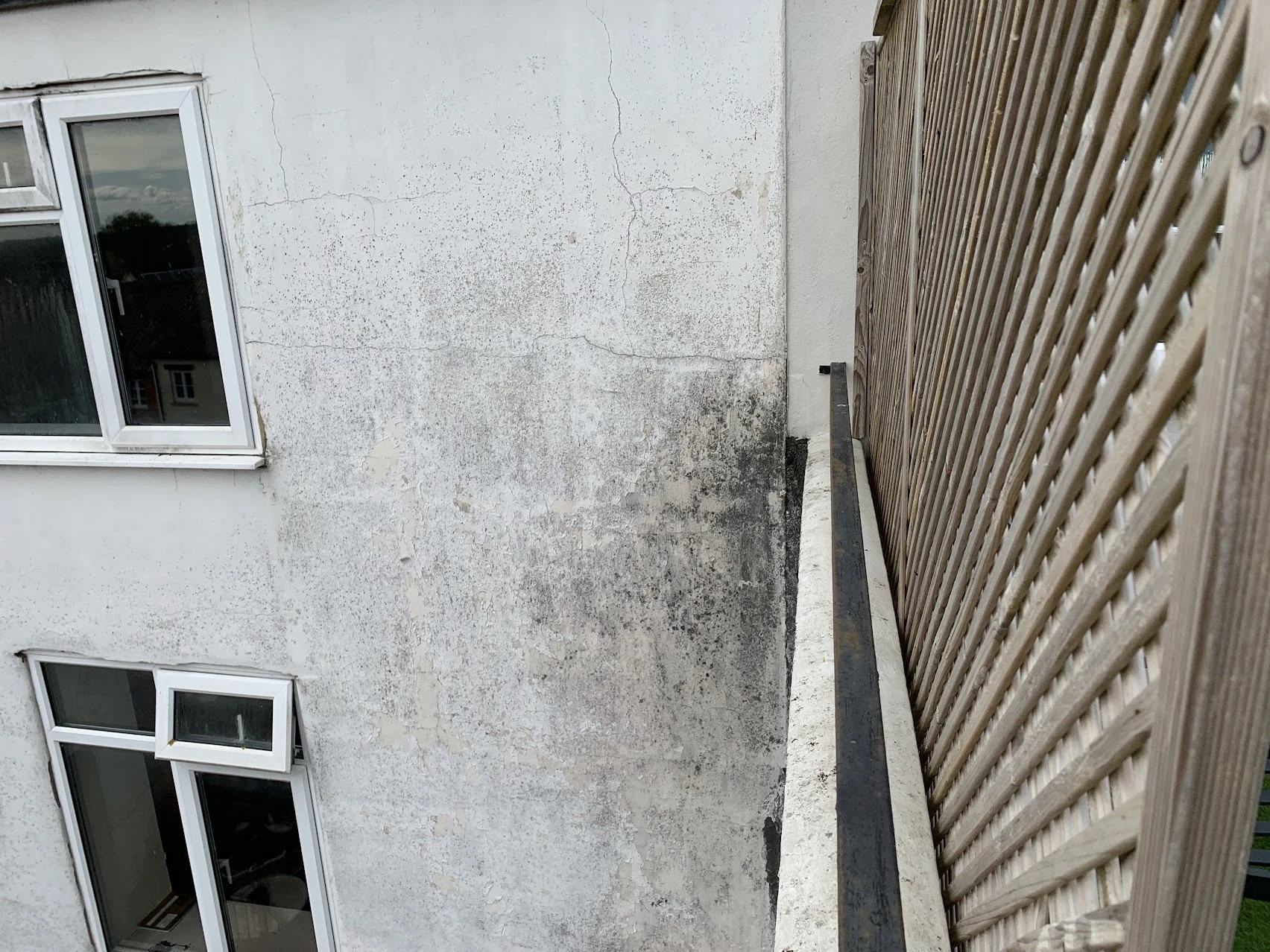
This matters more under the new standard. The damp and mould criterion fails at HHSRS bands A to H, not just the category 1 bands A to C. Many homes with damp that would not currently count as a serious hazard will need action, so incomplete damp records are a significant blind spot.
Desktop review can help flag gaps and patterns before commissioning further work. Mapping addresses against building types, estate boundaries and known constraints may reveal clusters that merit closer investigation. But desk-based findings are not a substitute for inspection: they are a way to target it more effectively.
Record the confidence and date of each key data point. A recent intrusive inspection and an old repair note should not carry the same weight when investment priorities are set.
Look beyond the individual repair
A recurring damp report, for example, may be connected to ventilation, building fabric, heating, maintenance or how the home is used and heated. Treating each report as an isolated repair risks missing the underlying issue. The same applies when planning insulation, fire-safety work or upgrades to building services: one intervention can affect the performance, access requirements or cost of another.
Root-cause investigation should happen within the statutory response times, not instead of them. Awaab's Law already sets deadlines for investigating and fixing damp and mould and emergency hazards in social housing.
A whole-home review helps teams identify where works could be coordinated. It can also reduce repeated visits, access requests and disruption. For larger programmes, map assets and proposed work packages geographically to test whether phasing, logistics and resident access are realistic.
Turn evidence into priorities
Not every property can be upgraded at once. Start by separating work that cannot wait from work that can be ranked and phased. Category 1 hazards, statutory duties and urgent safety or water-ingress problems need action now, whatever their cost or programme fit.
For everything else, a transparent prioritisation framework can consider condition, vulnerability, energy performance, repair history, cost and programme feasibility. Make clear which factors influence the ranking and where professional judgement is required. With the 2030 energy deadline five years ahead of the wider standard, test whether energy measures can be combined with repair and damp work to avoid returning to the same homes twice.
Avoid allowing the availability of a particular funding opportunity to become the whole strategy. Instead, agree the needs of the stock first, then test how funding and procurement routes can support them. Keep assumptions visible, especially where survey information is incomplete or costs are provisional.
Bring residents and delivery teams in early
Residents can provide evidence that formal records miss: recurring condensation, unreliable heating, access difficulties or the practical effects of previous work. Use clear, consistent communication and coordinate surveys where possible, rather than asking households for the same information repeatedly.
This is also a regulatory expectation. The Regulator of Social Housing's Transparency, Influence and Accountability Standard requires landlords to involve tenants as they develop plans, with meaningful opportunities to influence and scrutinise them.
Early input from contractors, consultants and specialist trades can test sequencing, access, buildability and supply-chain capacity before a programme is fixed. That is particularly valuable in occupied homes, where a technically sound specification still needs a workable delivery plan.
A practical next step
Choose a representative group of homes and test the process: review the records, inspect priority risks, speak to residents and develop coordinated work options. Capture what the pilot reveals about data gaps, costs and delivery constraints, then refine the wider programme.
The 2030 and 2035 deadlines are a reason to prepare, not to rush into disconnected projects or to defer urgent work. Better evidence and joined-up planning can help providers make defensible investment decisions and deliver safer, healthier homes with less avoidable disruption.
For further information on the five criteria, the energy deadlines and current duties, see our guide to the new Decent Homes Standard. The official requirements are set out in the government's New Decent Homes Standard policy statement.