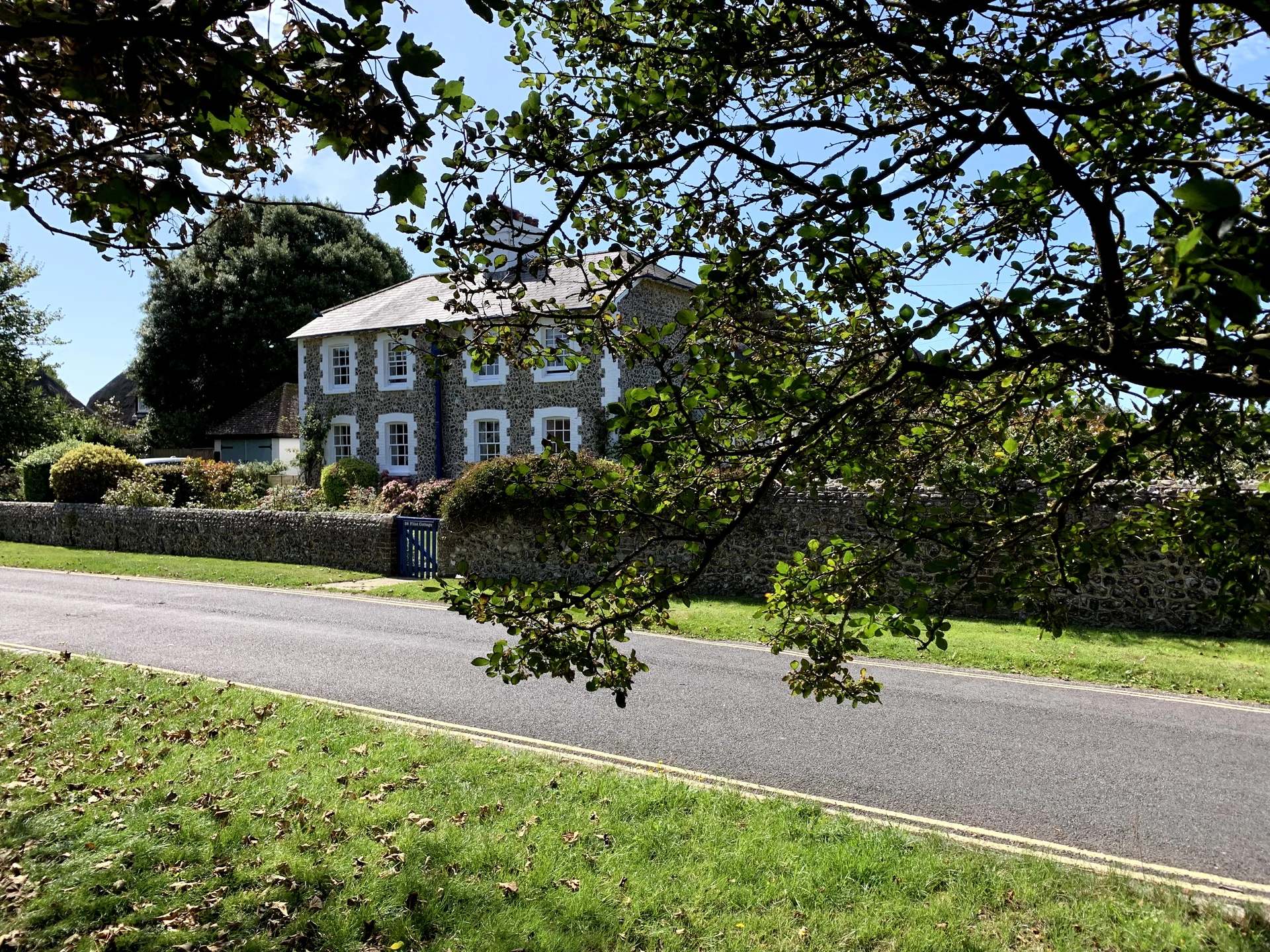
If you've decided to commission a building survey, you might be wondering what happens next. This guide walks you through the entire process.
Before the Survey
Booking
When you contact a surveyor, they'll need:
- The property address
- Type of property (house, flat, etc.)
- Approximate age and size
- Your preferred dates
- Any specific concerns you have
The surveyor should provide a clear quote and timeline before you commit.
Access Arrangements
The surveyor will need access to:
- All rooms and spaces
- Loft/attic space (with ladder if possible)
- Garage and outbuildings
- Gardens and grounds
Your estate agent or the seller's solicitor typically arranges this.
The Inspection Day
What the Surveyor Does
A building survey inspection typically takes 2–4 hours for an average house. The surveyor will:
- External inspection — Roof, walls, windows, drainage
- Internal inspection — Every accessible room, ceilings, floors, walls
- Services check — Visual inspection of electrics, plumbing, heating
- Roof space — Timbers, insulation, any issues
- Outbuildings — Garages, sheds, extensions
What They Can't Do
Surveyors work within limitations:
- They cannot move furniture or stored items
- They don't test services (that requires specialists)
- They can't see inside walls or under floors (non-invasive)
- Areas with restricted access are noted but not inspected
After the Survey
Your Report
Expect your report within 3–5 working days. A building survey report includes:
- Executive summary — Key findings at a glance
- Detailed findings — Room-by-room or element-by-element analysis
- Condition ratings — Often a traffic-light system (red/amber/green)
- Recommendations — What needs attention now, soon, or later
- Estimated costs — Approximate repair costs where relevant
- Further investigations — Specialist reports that might be needed
Common Findings
Don't panic if your report highlights issues. Common findings include:
- Minor damp or condensation
- General maintenance items
- Age-related wear and tear
- Recommendations for future maintenance
Serious structural issues are less common but important to identify.
Using Your Survey
Your survey is a valuable negotiating tool:
- Price negotiation — Use repair costs to renegotiate
- Planning — Budget for works after completion
- Decision making — In rare cases, walk away from problems
- Insurance — Some findings may affect cover
Questions to Ask Your Surveyor
Good surveyors welcome questions. Ask about:
- The urgency of any issues found
- Approximate costs (they can give ballpark figures)
- Whether specialist reports are essential
- Any concerns about the property's future
Finding a Surveyor
Ready to book? Use our surveyor directory to find qualified professionals in your area.